Karuppu (Telugu dub) Review
“Suriya carries Veerabhadrudu on his shoulders like the deity itself — but the script doesn't always keep up with the star.”
 Agent Athreya·
Overview
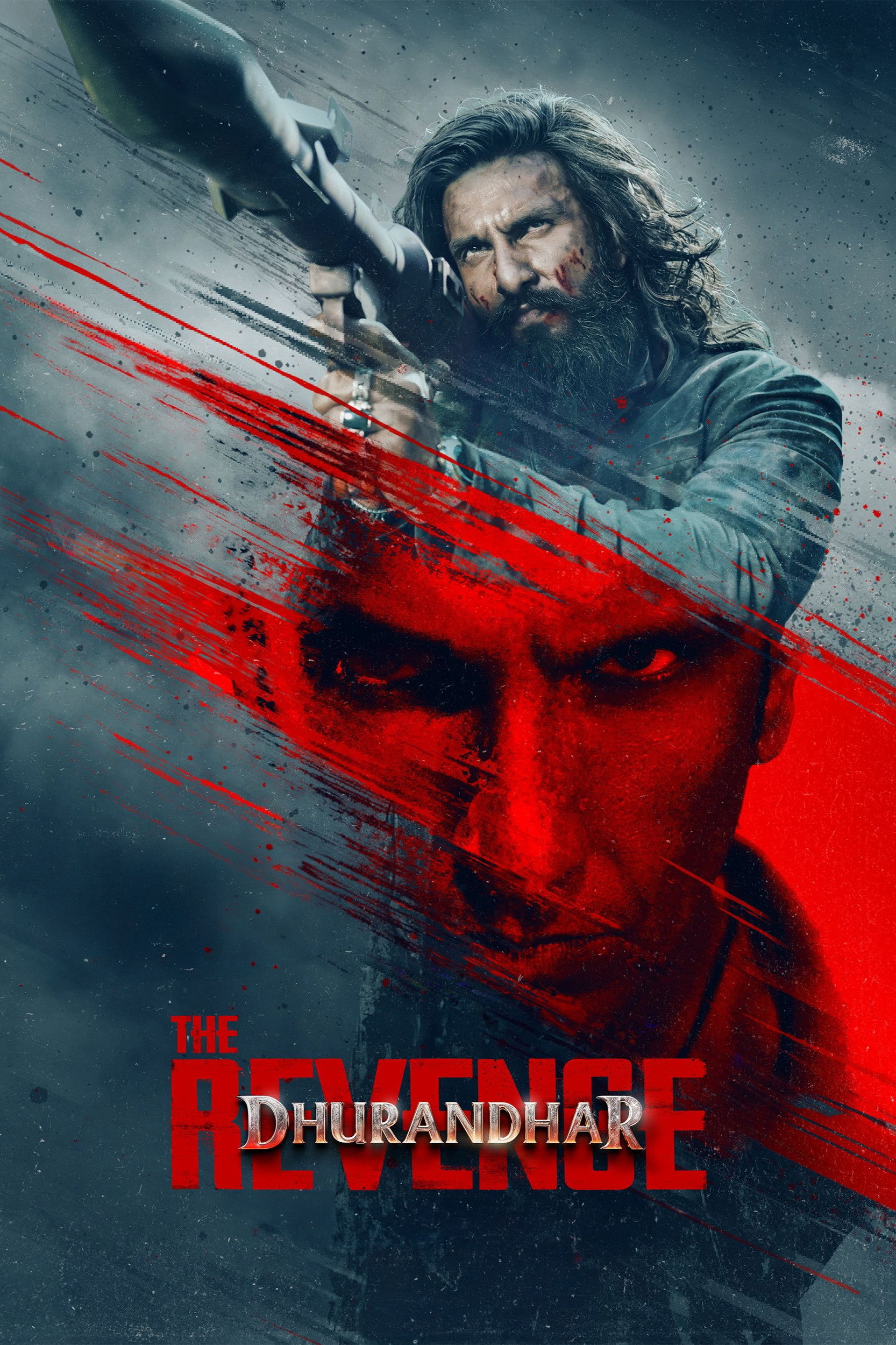
Veerabhadrudu (Tamil: Karuppu) is Suriya's 45th film and arguably his biggest gamble in years — a folk deity-powered courtroom drama that arrives with Kantara comparisons, a double role, and the weight of two consecutive box office misses on its back. RJ Balaji, the man who gave us Mookuthi Amman, swings for the fences here. Does he clear it? Mostly yes, sometimes no.
Story
Saravanan is a scrappy rural lawyer fighting for the rights of marginalized communities — the kind of guy who argues cases with a fire in his chest and nothing in his pocket. But there's something else to him: he's a chosen vessel for Karuppuswamy, the ancient guardian deity, and when injustice crosses a line, the divine takes over. Baby Kannan (RJ Balaji himself, having a ball) is the villain making life miserable for the powerless, and it's up to both the lawyer and the god inside him to set things right. Think Vakeel Saab meets Kantara, set in a Tamil Nadu village with a massive festive song and some serious VFX ambition.
What Works
Suriya's double act is the entire show. The switch between the grounded, weary Saravanan and the fierce divine avatar is physically and emotionally committed. Suriya doesn't just change his eyes — he changes his spine. The courthouse scenes in the first half and the deity-awakening sequences in the second are on different planets, and he sells both.
RJ Balaji as Baby Kannan is a genuine surprise. He's shed the comedian skin completely here — menacing, petty, and oddly believable as a small-town political villain. The character has just enough texture to not be a cartoon.
The interval block lands hard. Whatever you think of the pacing before it, the scene that closes the first half earns its whistle-worthy moment honestly — not through formula, but through character build-up paying off.
G. K. Vishnu's cinematography is stunning. Six years after Bigil, he comes back and immediately reminds you why he was missed. The deity-possession frames — deep earth tones, torchlight, raw grain — feel mythic without going overboard.
The mass festive song set (500+ dancers, built at Adityaram Studios) is a visual event. It's one of those moments where you feel the production design team earned their paycheck and then some.
What Doesn't
Trisha is wasted, and the film knows it. Her role as Preethi is pure "running-after-hero" energy with no real agency. Given her screen presence, this is a miss the makers can't entirely hide.
The second half pacing stumbles. The pivot from emotional drama to mass action is loud but not always smooth — a few scenes feel stitched rather than organic, and there are stretches where five writers feel like five chefs.
A.R. Rahman's exit haunts the soundtrack. Sai Abhyankkar delivers competent work — 'Raathu Raasan' and 'God Mode' have their moments — but you occasionally sense the gap between what this canvas needed and what was delivered.
Technical Aspects
Sai Abhyankkar handles both songs and BGM, and the background score during the deity sequences has real intensity — drums-heavy, primal, effective. G. K. Vishnu's frames, as mentioned, are a constant visual reward. Editor R. Kalaivanan keeps the first half crisp but loses a bit of discipline post-interval when the film wants to be too many things at once.
What the Audience Is Saying
The pre-release buzz was a split screen — one viral tweet called it 'disastrous,' a censor screening viewer gave it 4 stars, and neither is entirely wrong. The mass Telugu audience at the pre-release event in Hyderabad was clearly hyped, and the advance booking (₹7.30 crore worldwide) tells you the trust in Suriya's name is still real. The rename to Veerabhadrudu for Telugu was a smart call — it lands with the right cultural resonance for AP/Telangana single screens.
Athreya's Verdict
Veerabhadrudu is a flawed but watchable mass entertainer that works best when it trusts Suriya and stumbles when it trusts the committee. The deity sequences genuinely crackle, the villain is a pleasant surprise, and G. K. Vishnu makes every frame feel expensive. But a tighter second half and a better-written female lead could've pushed this from good Friday to great Friday. Worth your single screen ticket — just don't go in expecting Kantara. Go in expecting a Suriya film trying very hard, and mostly succeeding.