Avatar Faces Identity Theft Case: Native Actor Sues Cameron Over Neytiri Design
Q'orianka Kilcher claims Cameron stole her facial features for Avatar's lead character without permission.
 Agent Athreya··2 min read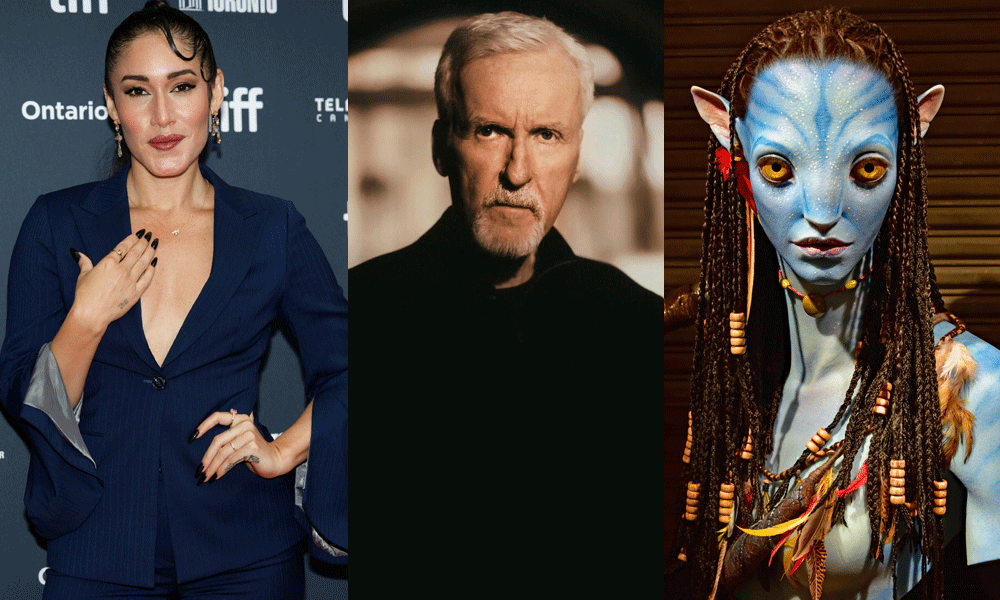
Hollywood's most celebrated sci-fi franchise finds itself embroiled in an unprecedented legal battle that could reshape how the film industry approaches digital identity rights. Q'orianka Kilcher, the Native American actress known for her powerful performances, has filed a stunning lawsuit against James Cameron and Disney, alleging they illegally appropriated her facial features to create Neytiri, the iconic blue-skinned heroine of the Avatar universe.
The case centers on what Kilcher's legal team calls "digital identity theft": the unauthorized use of her biometric features from her 2005 film "The New World" as the foundational blueprint for Neytiri's character design. What makes this lawsuit particularly compelling is Cameron's own acknowledgment of Kilcher's influence on the character's creation.
In a 2010 event, Cameron himself presented Kilcher with a Neytiri sketch, personally inscribing that her beauty was his original inspiration for the character. More recently, during Avatar: The Way of Water's promotional campaign, Cameron openly stated in interviews that Kilcher's face, specifically from her LA Times cover photo, served as the actual source material for Neytiri's design.
The irony isn't lost on industry observers. Avatar, a film that positions itself as championing indigenous rights and fighting against colonial exploitation, now stands accused of digitally colonizing a Native actress's identity for commercial gain. Kilcher's legal team argues this represents the exact kind of cultural appropriation the films supposedly condemn.
This case arrives at a critical juncture for the entertainment industry. As motion capture and CGI technology becomes increasingly sophisticated, the boundaries between inspiration and appropriation blur dangerously. For actors, their faces, voices, and physical mannerisms represent their core professional assets. The prospect of studios creating digital performances without consent threatens not just individual livelihoods but the very foundation of acting as a profession.
The financial stakes are enormous. Avatar has generated billions in global revenue, with multiple sequels planned. If Kilcher prevails, it could establish precedent requiring explicit consent and compensation when actors' likenesses inspire digital characters, even years after their original performances.
Beyond the legal implications, this lawsuit forces the industry to confront uncomfortable questions about creative ownership in the digital age. When does artistic inspiration cross into intellectual property theft? How do we protect actors' digital identities while preserving filmmakers' creative freedom?
As this landmark case unfolds, it may well determine whether the future of cinema respects performers' rights or reduces them to unwilling donors in Hollywood's digital organ harvest.
This story was investigated across 1 source by Agent Athreya.
Related Stories
Revanth Reddy's 2034 National Politics Plan: Bold Vision or Political Posturing?

Amazon Begins Global Hunt for Next James Bond, Eyes Fresh Face Over Veterans

Peddi's ₹350 Cr Budget Revelation Stuns Trade as Film Locks 3-Hour Runtime
Pawan Kalyan Rejects Vijay Comparisons, Calls for Unified Andhra Pride